Made in Sweden — For Our Shared Spaces
2026–01–29
2026–01–29
Nola produces exclusively in Sweden. It’s been a given since the company was founded in 1980 — and remains non-negotiable. The approach comes with certain challenges, says the CEO, but above all, it allows for long product life cycles, high quality, and a manufacturing chain with full traceability.
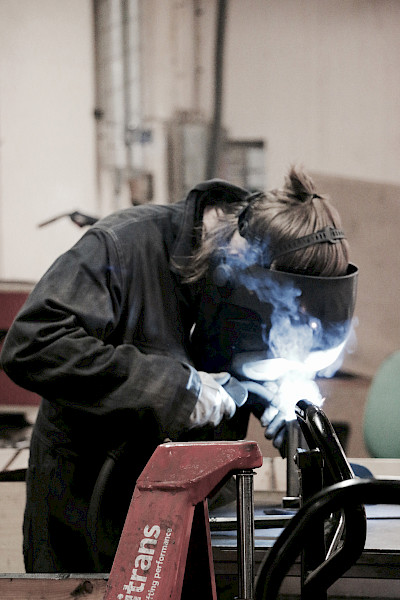
In an era where Swedish origin is often reduced to a label, Nola’s production model rests on something more fundamental: a way of working built on close relationships, long-term thinking, and deep respect for craft. Every product begins not with a fixed machinery setup, but with a vision of a place or a need. Rather than centralising production under one roof, Nola collaborates with a network of specialised manufacturers across Sweden — each selected for their craftsmanship, experience, and ability to deliver year after year.
“We don’t operate our own factories — instead, we work with people who are the very best in their field,” says CEO Henrik Edlund. “The strength of this supply chain is that it allows us to match the materials and techniques best suited for the product idea.”
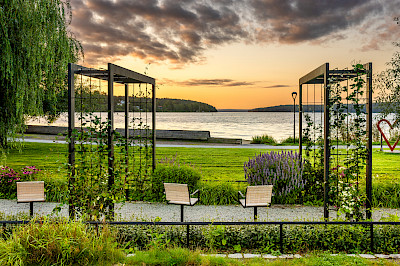
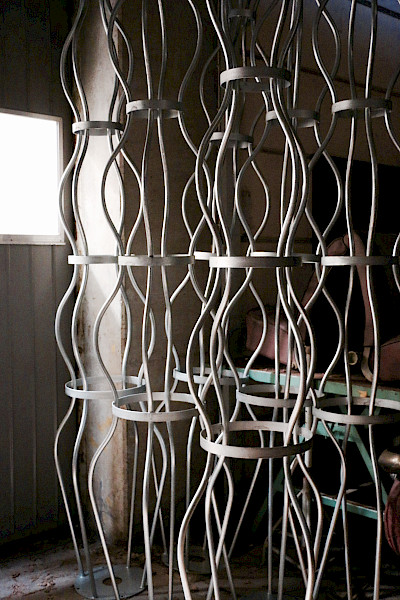
The result is a broad palette of materials and expressions: hot-dip galvanised steel for schoolyards with heavy wear, sand-cast aluminium for sensitive heritage settings, or pine on steel frames for relaxed seating by the sea.
“We don’t operate our own factories — instead, we work with people who are the very best in their field.”
Henrik Edlund, CEO at Nola
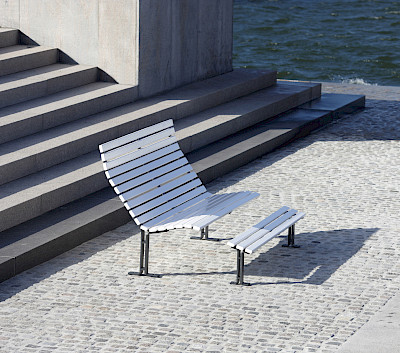
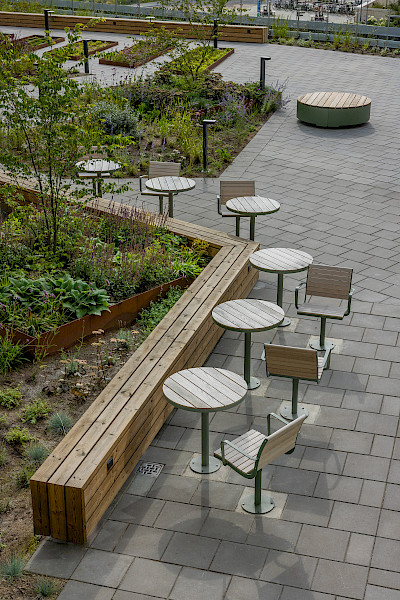
Product development is a collaborative process between Nola’s in-house engineers, selected designers and the chosen manufacturer. Prototypes and ongoing adjustments allow each product to evolve — whether it’s refining a curve for better powder coating or adapting measurements to standard timber dimensions. Many pieces are made in small batches, and some are even finished by hand to ensure the highest level of detail and durability.
“Each product is seen as its own project,” says Edlund. “When we prototype together with our manufacturers, we almost always arrive at the best solution. It’s not the fastest or cheapest way to work — but it results in products that are thoughtful and built to last.”
“When we prototype together with our manufacturers, we almost always arrive at the best solution. It’s not the fastest or cheapest way to work — but it results in products that are thoughtful and built to last.”
Henrik Edlund, CEO at Nola
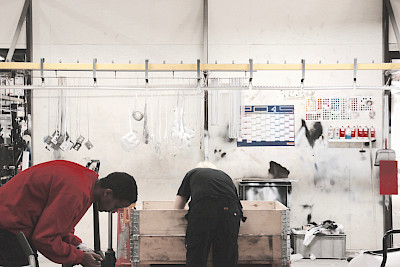
“By working the way we do, we help preserve craft knowledge while also developing new values.”
Henrik Edlund, CEO at Nola
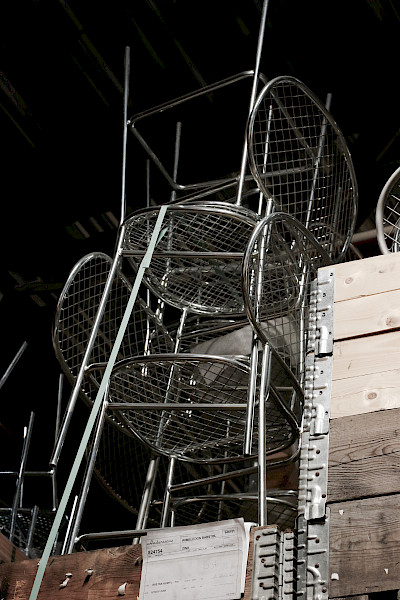
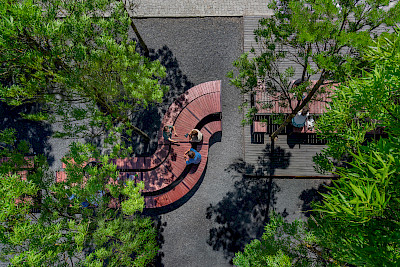
One of the many benefits of manufacturing in Sweden is the proximity. The supply chain stays compact, allowing Nola to choose green electricity, ensure fair working conditions, minimise transport distances, and maintain close dialogue with producers — often right on the workshop floor. This creates transparency, trust, and shared ownership.
“We see it as part of our responsibility to support Swedish industry,” Edlund continues. “We want to contribute to the industrial fabric of this country — one that’s at risk of thinning out. By working the way we do, we help preserve craft knowledge while also developing new values.”
This approach is not a stance against anything else — it’s a deliberate choice. One that leads to well-made, enduring results. Products that can be maintained, repaired and lived with over time. Furniture that becomes part of the place. Because in the end, it’s not only about how something is made — but why.